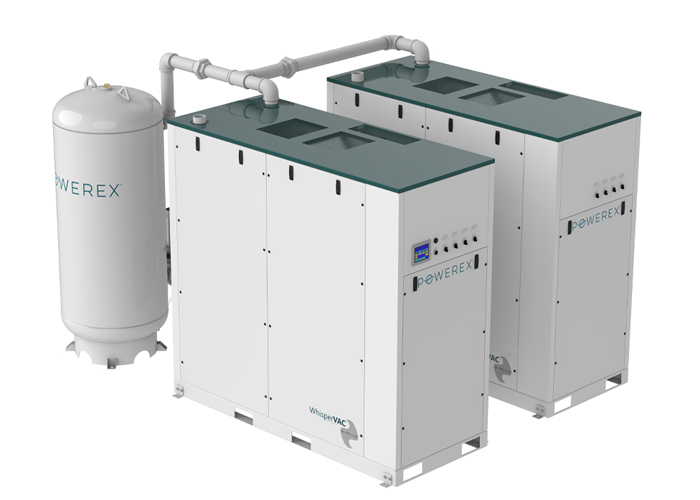
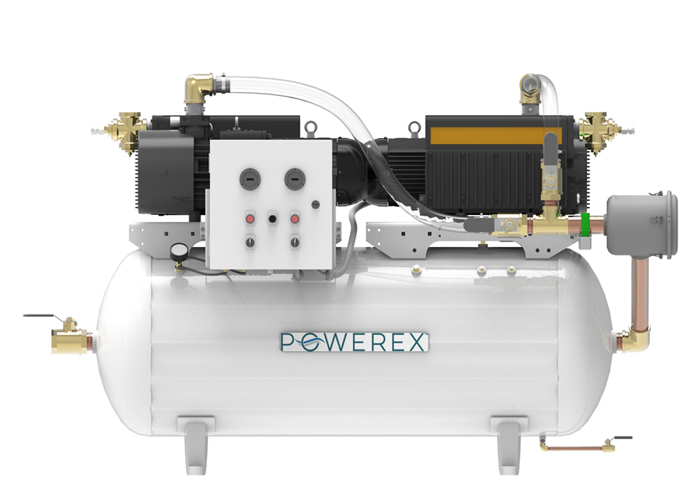
Medical Vacuum, WAGD and Laboratory Vacuum Systems
Medical vacuum (medical-surgical suction) is one of the most critical utilities in a healthcare facility: it’s used for airway suction, surgical procedures, wound drainage and waste anesthetic gas removal. Medical Gas Resources supplies, installs and services medical vacuum and laboratory vacuum systems for hospitals, surgery centers, dental offices, labs and veterinary hospitals across Southern California.
Medical vacuum systems
An NFPA 99 medical vacuum source typically includes multiple vacuum pumps sized so peak demand can be met with one unit out of service, a receiver, lead/lag controls, isolation valves, alarms and a properly located exhaust. Pump technologies we supply include:
WAGD (waste anesthetic gas disposal)
Anesthetizing locations need a way to remove waste anesthetic gases from the breathing circuit so staff aren’t exposed. WAGD can be provided by the medical vacuum system or a dedicated WAGD producer, depending on the anesthetic agents used and the vacuum technology. We’ll help you choose the approach that fits your facility and your pump type. Read more in our guide to medical vacuum and WAGD systems.
Laboratory vacuum systems
Lab vacuum serves filtration, aspiration, drying, degassing and instrument applications. Our lab claw, lab lubricated vane and open lab systems are sized for the number of inlets and duty cycle. For labs that run corrosive or solvent-heavy processes, we’ll recommend the right pump technology and protection.
Dental and non-NFPA vacuum
For dental offices and facilities that don’t need a full NFPA 99 plant, we offer tank-mounted and open non-NFPA vacuum systems, plus dental products from Belmed.
Installation, preventive maintenance and repair
We install new vacuum plants and replace failing pumps. Our factory-trained technicians handle scheduled maintenance – oil and filter changes, vane inspection, exhaust and drain checks, controls and alarm testing – plus 24/7 emergency repair. We service most brands, including BeaconMedaes, Amico, Powerex, Atlas Copco and Air Tech.
Vacuum system FAQs
Which is better for a hospital: claw or lubricated vane vacuum pumps?
Both are common. Claw pumps are dry, efficient and need less routine oil service. Lubricated vane pumps cost less up front and run quietly but need regular oil changes. The right choice depends on system size, duty cycle, WAGD needs and budget.
Can my medical vacuum system also handle WAGD?
Often, yes. It depends on your pump technology, the anesthetic agents in use and NFPA 99 requirements. Some facilities use a dedicated WAGD system instead.
How often should medical vacuum pumps be serviced?
Most facilities service vacuum pumps quarterly or semi-annually, following the manufacturer’s maintenance intervals. Lubricated vane pumps need regular oil and filter changes.
Request a vacuum system quote or service visit: call 714-897-7530 or email info@medicalgasresources.com.